Recycled material in design lines.

Sustainable design lines from Gira.

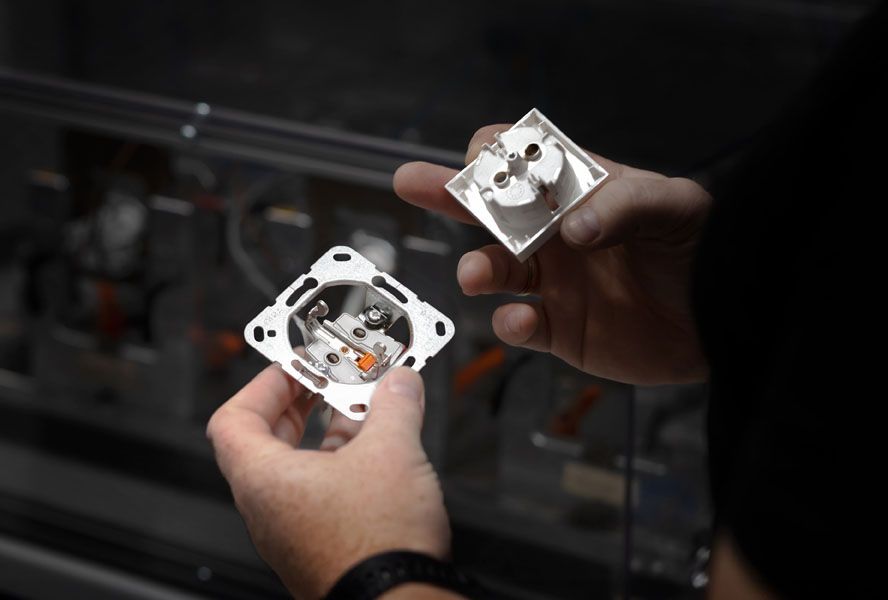
The colour variants Gira E2 grey matt and colour aluminium are the ideal choice for customers with a strong awareness of environmental issues. This is because the plastic parts of the lacquered colour variants consist primarily¹ of recycled materials, which have a smaller carbon footprint than new materials.²

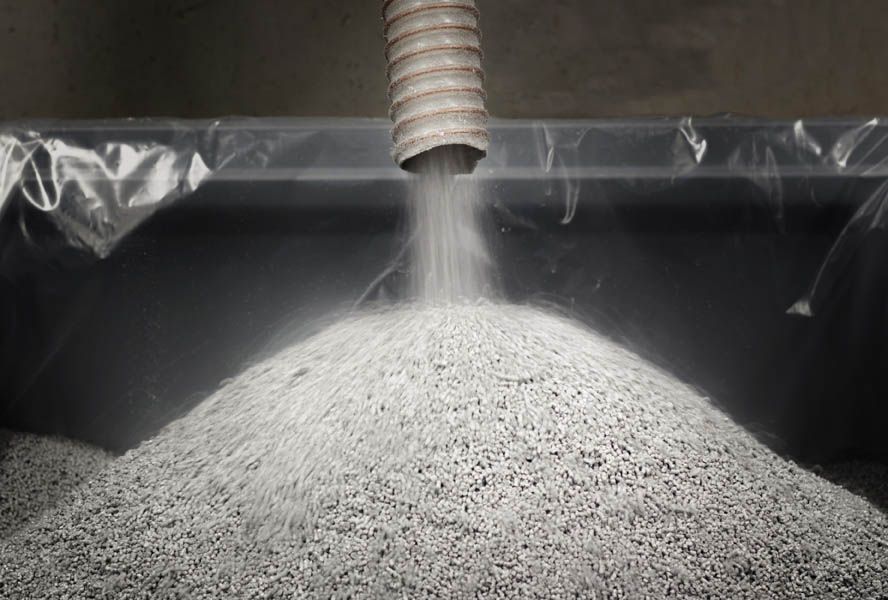
In order to meet our technical quality requirements, we manufacture the recycled material from our production waste using a particularly low-impact reprocessing method.
The high-quality colour coating ensures that, even when choosing resource-saving materials, you still get Gira quality in design and durability in a wide range of functions.
 
¹ The socket outlet cover and additional components, such as transparent inscription spaces, are made from new materials. The proportion of recycled material may vary due to the admixture.
 
² This reduction was calculated on the basis of an ecological assessment pursuant to ISO 14040/EN 15804 of a 1-gang frame made of recycled materials compared with that of a 1-gang frame made of new materials.

Highlights, facts and benefits:

  • Saves resources and reduces CO₂
  • Produced in-house from recycled materials

Sustainable design line made from natural materials.

Gira Esprit linoleum-plywood captivates with its simple design and organic materials, sourced from renewable raw materials. In doing so, we have reduced its carbon footprint by around 75%.³

³ Compared to a Gira E2 1-gang pure white glossy reference frame. Results per LCA in accordance with ISO 14040 (in critical review).

More about Gira Esprit Linoleum-Plywood


We are doing our bit to achieve the 1.5°C target. We therefore continuously measure and reduce our CO₂ emissions. Our climate journey is an integral part of our corporate strategy.

Durability and sustainability through proven quality.

Gira’s mechanical products are developed with a useful life of
at least 20 years. Our proven quality requirements go above and beyond norms and standards.

Material recycling in our plastics production.

We are reducing production waste to a minimum using state-of-the-art tools. We convert any waste produced into fully reusable regranulate² and feed this back into the production process for suitable product ranges.

² In the standard regranulation process, the regranulate can only be used as an approx. 15% admixture that is added to the primary granulate.